
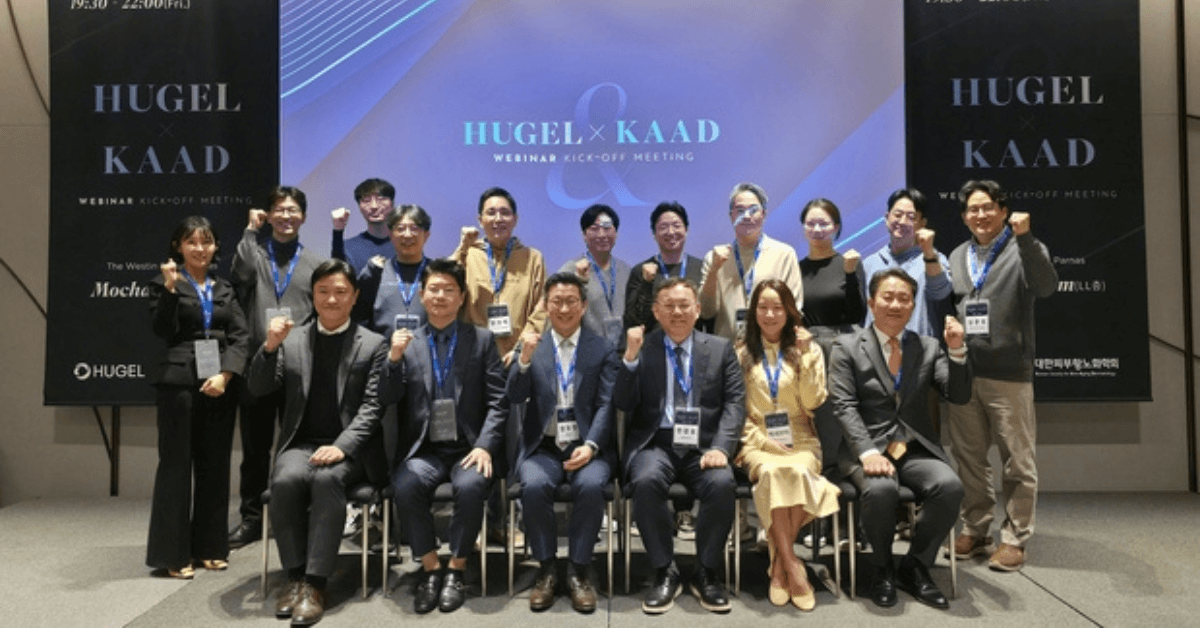
Hugel Inc., a global total medical aesthetics company, is launching a year-long collaboration with the Korean Association of Anti-Aging and Dermatology (KAAD) to establish global standards for botulinum toxin procedures and strengthen medical professional education. The company described the partnership as an effort to create a safe treatment culture alongside effective results.
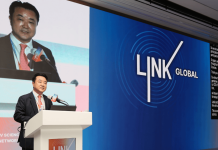
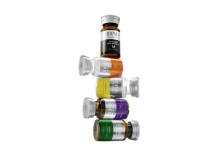
Hugel announced on the 9th that it held the “Hugel X KAAD Academic Collaboration Kick-off Meeting” at The Westin Josun Seoul Parnas on the 6th of this month. The meeting included academic discussions and shared future directions for developing treatment protocols for Botulax (exported under the name Letybo), the company’s toxin product, and conducting global webinars.
KAAD is a leading professional academic organization in the domestic dermatology and anti-aging field. The meeting was attended by 13 key executives from KAAD, including Chairman Han Kwang-ho, along with Hugel CEO Jang Du-hyun, Vice President Ji Seung-wook, and employees from the Marketing Division, Medical Affairs Division, and Domestic Business Division.
Both parties agreed to hold five global webinars bimonthly from April to December this year. Each session will consist of theoretical lectures, live demonstrations, and Q&A sessions. Real-time subtitles in English and Chinese will be provided for the convenience of global medical professionals.
“I am pleased that we are establishing standardized treatment guidelines for botulinum toxin with Hugel, a company representing K-aesthetics, and effectively disseminating them while preparing professional educational content that will provide practical help to medical professionals both domestically and internationally,” said Han Kwang-ho, Chairman of KAAD.
“As an industry-leading company, Hugel continues various communication activities to earn trust from medical professionals worldwide, in addition to efforts on product quality,” said Jang Du-hyun, CEO of Hugel. “We will continue our efforts with KAAD to strengthen the academic status and global competitiveness of Korea’s medical aesthetics industry.”